
The World of Global Forex Trading: Opportunities and Challenges
The global forex trading market is one of the largest and most liquid financial markets in the world, with daily trading volumes exceeding $6 trillion. Traders and investors engage in foreign exchange (forex) transactions to benefit from fluctuations in currency values. For aspiring traders, platforms such as global forex trading Crypto Trading App offer valuable tools and resources to navigate this complex landscape.
Understanding Forex Trading
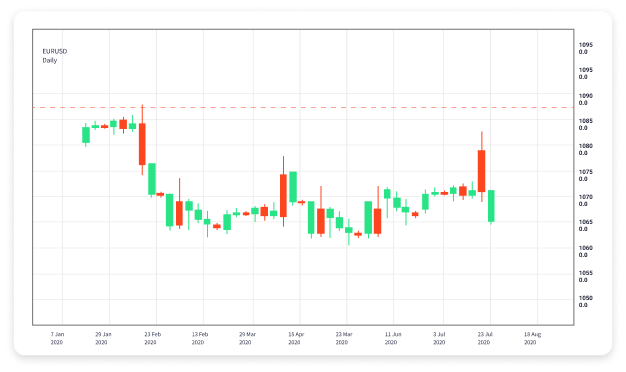
Forex trading involves the buying and selling of currency pairs, such as EUR/USD (Euros to US Dollars) or GBP/JPY (British Pounds to Japanese Yen). Each currency pair represents the exchange rate at which one currency can be exchanged for another. The forex market operates 24 hours a day, five days a week, allowing for continuous trading across different time zones.
The Anatomy of Currency Pairs
Currencies are quoted in pairs, where the first currency is known as the base currency and the second as the quote currency. The exchange rate indicates how much of the quote currency is needed to purchase one unit of the base currency. Understanding this structure is essential for traders to make informed decisions. For instance, if the EUR/USD pair is quoted at 1.20, it means that one Euro can be exchanged for 1.20 US Dollars.
Market Participants
The forex market is characterized by a diverse set of participants, including central banks, financial institutions, corporations, and individual traders. Central banks intervene in the forex market to stabilize or influence their national currencies, while financial institutions facilitate currency transactions for their clients. Corporations engage in forex trading to manage currency risk associated with international business operations. Retail traders, often driven by the desire for profit, participate through various trading platforms.
Types of Forex Trading Strategies
Successful forex trading requires a well-thought-out strategy. Two primary types of forex trading strategies are fundamental analysis and technical analysis. Fundamental analysis involves evaluating economic indicators, interest rates, and geopolitical events to assess a currency’s intrinsic value. On the other hand, technical analysis focuses on historical price patterns and market trends using charting tools. Many traders combine both strategies to form a comprehensive trading approach.
Leverage in Forex Trading
One of the appealing features of forex trading is the availability of leverage, which allows traders to control larger positions with a smaller amount of capital. For instance, a leverage ratio of 100:1 means that for every $1 in a trader’s account, they can control $100 in the market. While leverage can amplify profits, it also increases the risk of significant losses. Thus, it is crucial for traders to manage their risk effectively.
Risk Management Techniques
Risk management is a fundamental aspect of forex trading. Traders should employ strategies such as setting stop-loss orders, diversifying their portfolios, and using proper position sizing. A stop-loss order automatically closes a trade when a currency pair reaches a predetermined price, helping to limit losses. Additionally, traders should only risk a small percentage of their trading capital on any single trade to avoid catastrophic losses.
Choosing a Forex Broker
Choosing the right forex broker is crucial for success in trading. It is essential to look for brokers that are regulated, offer competitive spreads, provide a user-friendly trading platform, and have reliable customer support. Many brokers also offer educational resources and tools to help traders improve their skills. Researching and comparing different brokers can significantly impact a trader’s overall experience and profitability.
The Role of Technology in Forex Trading
Technology has revolutionized the forex trading landscape. Online trading platforms and mobile trading applications, such as the aforementioned Crypto Trading App, have made trading more accessible to the masses. These platforms offer features like real-time price quotes, advanced charting tools, and automated trading systems, empowering traders to execute their strategies efficiently and effectively.
The Importance of Continuous Education
In the fast-paced world of forex trading, continuous education is vital for success. Traders should stay informed about market trends, economic news, and trading techniques. Online courses, webinars, and trading forums can provide valuable insights and foster a community of learning. Aspiring traders should also practice on demo accounts to build their skills without risking real money.
Global Forex Regulations
The forex market operates under various regulatory frameworks worldwide. Regulations aim to protect traders from fraud and maintain market integrity. Different countries have established regulatory bodies to oversee forex trading activities. For example, in the United States, the Commodity Futures Trading Commission (CFTC) and the National Futures Association (NFA) regulate forex brokers and trading practices. Understanding the regulatory environment can help traders choose trustworthy brokers and ensure a safe trading experience.
The Future of Global Forex Trading
The forex market is constantly evolving, driven by technological advancements and globalization. The rise of digital currencies and innovations in payment systems are likely to impact traditional forex trading in the coming years. Additionally, increased participation from emerging markets and the growing popularity of algorithmic trading strategies will shape the future landscape of forex trading.
Conclusion
Global forex trading presents a world of opportunities and challenges for traders. With the right knowledge, strategies, and tools, individuals can navigate this complex market and pursue their financial goals. As technology continues to advance, platforms like the Crypto Trading App will play a pivotal role in making forex trading more accessible and efficient for traders worldwide. By staying informed and continuously improving their skills, traders can position themselves for success in the dynamic world of forex trading.